Proofreading Jobs: Where Precision Meets Professional Value
Every document, database, and digital record needs a final guardian before it goes live. That guardian is a proofreader. If you have a natural ability to spot what others miss, this role was built for you.
Every piece of content that goes out into the world carries a reputation with it — the reputation of the business it represents. A single typo in a legal document, a formatting error in a financial report, or a factual mistake in a company database can undermine trust, create confusion, and in some cases, cause serious consequences. That is exactly why proofreaders exist — and exactly why they are so valued.
Proofreading in a data entry context is the art and discipline of reviewing completed work with a critical, meticulous eye — checking for errors in accuracy, spelling, grammar, formatting, and consistency before information is finalized or published. It is the last line of defence between a business and a costly mistake, and it requires someone who genuinely cares about getting every detail right.
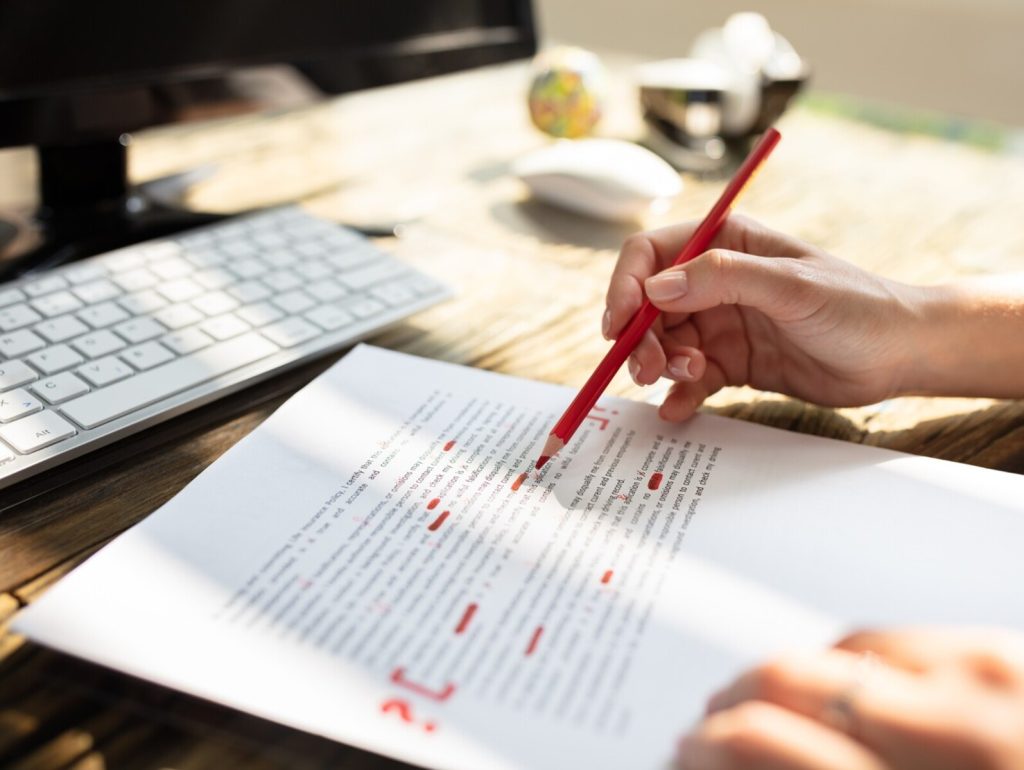
This is not a passive or mechanical task. A skilled proofreader is not just looking for spelling mistakes — they are verifying that the data matches the source, that formatting is consistent throughout, that nothing has been omitted or duplicated, and that the final output meets the exact standards required. It demands focus, language command, and a systematic approach to reviewing information under pressure.
If you are someone who notices errors others walk past, who instinctively reads twice before moving on, and who takes genuine satisfaction in delivering work that is truly error-free — proofreading is not just a job you can do. It is a job you were made for. And in a world where content quality is directly tied to brand credibility, your attention to detail is not just an asset — it is essential.
What is Data Entry Proofreading?
Proofreading in a data entry context means reviewing and correcting information for accuracy, spelling, grammar, and formatting — before it is locked into a database or published document. It is the critical quality checkpoint that protects organizations from errors that could cause real damage.
Key Responsibilities
- → Verification: Comparing entered data against original source documents to identify any discrepancies or missed fields.
- → Error Correction: Fixing typos, punctuation mistakes, formatting inconsistencies, and grammatical errors.
- → Consistency Review: Ensuring uniform styling, heading formats, and data structures are maintained throughout.
- → Final Sign-Off: Confirming all required information has been captured accurately with zero omissions or duplications.
- → Data Integrity: Upholding clean, reliable records in spreadsheets, CRM platforms, and internal databases.
Why choose Proofreading work?
| Factor | What It Means for You |
|---|---|
| High Value Role | Proofreaders are the last quality gate — making this work genuinely important |
| Remote-Friendly | Almost entirely digital — work from home with ease |
| Diverse Industries | Legal, medical, publishing, corporate — proofreaders are needed everywhere |
| Skill Development | Sharpens language, analytical, and software skills over time |
Skills Required
| Skill | Why It Matters |
|---|---|
| Attention to Detail | The ability to catch subtle errors that others consistently overlook |
| Grammar & Spelling | Strong command of language mechanics is the foundation of this role |
| Software Proficiency | MS Word, Excel, Google Docs, and specialized data platforms |
| Deadline Management | Delivering accurate reviews on time, every time, without compromise |
Proofreading Jobs: Where Precision Meets Professional Value
Every document, database, and digital record needs a final guardian before it goes live. That guardian is a proofreader. If you have a natural ability to spot what others miss, this role was built for you.
Every piece of content that goes out into the world carries a reputation with it — the reputation of the business it represents. A single typo in a legal document, a formatting error in a financial report, or a factual mistake in a company database can undermine trust, create confusion, and in some cases, cause serious consequences. That is exactly why proofreaders exist — and exactly why they are so valued.
Proofreading in a data entry context is the art and discipline of reviewing completed work with a critical, meticulous eye — checking for errors in accuracy, spelling, grammar, formatting, and consistency before information is finalized or published. It is the last line of defence between a business and a costly mistake, and it requires someone who genuinely cares about getting every detail right.
This is not a passive or mechanical task. A skilled proofreader is not just looking for spelling mistakes — they are verifying that the data matches the source, that formatting is consistent throughout, that nothing has been omitted or duplicated, and that the final output meets the exact standards required. It demands focus, language command, and a systematic approach to reviewing information under pressure.
If you are someone who notices errors others walk past, who instinctively reads twice before moving on, and who takes genuine satisfaction in delivering work that is truly error-free — proofreading is not just a job you can do. It is a job you were made for. And in a world where content quality is directly tied to brand credibility, your attention to detail is not just an asset — it is essential.
What is Data Entry Proofreading?
Proofreading in a data entry context means reviewing and correcting information for accuracy, spelling, grammar, and formatting — before it is locked into a database or published document. It is the critical quality checkpoint that protects organizations from errors that could cause real damage.
Key Responsibilities
- → Verification: Comparing entered data against original source documents to identify any discrepancies or missed fields.
- → Error Correction: Fixing typos, punctuation mistakes, formatting inconsistencies, and grammatical errors.
- → Consistency Review: Ensuring uniform styling, heading formats, and data structures are maintained throughout.
- → Final Sign-Off: Confirming all required information has been captured accurately with zero omissions or duplications.
- → Data Integrity: Upholding clean, reliable records in spreadsheets, CRM platforms, and internal databases.
Why choose Proofreading work?
| Factor | What It Means for You |
|---|---|
| High Value Role | Proofreaders are the last quality gate — making this work genuinely important |
| Remote-Friendly | Almost entirely digital — work from home with ease |
| Diverse Industries | Legal, medical, publishing, corporate — proofreaders are needed everywhere |
| Skill Development | Sharpens language, analytical, and software skills over time |
Skills Required
| Skill | Why It Matters |
|---|---|
| Attention to Detail | The ability to catch subtle errors that others consistently overlook |
| Grammar & Spelling | Strong command of language mechanics is the foundation of this role |
| Software Proficiency | MS Word, Excel, Google Docs, and specialized data platforms |
| Deadline Management | Delivering accurate reviews on time, every time, without compromise |